SERVICE
CATHODIC PROTECTION SOLUTIONS AND PIPE LINE MAINTENANCE
JCA Technologies provides Cathodic Protection Solutions of diversified nature across lengths and breadths of the country encompassing thousands of kilometres of cross-country pipeline, tank bottoms, buried vessels, plants, jetties etc.
TECHNICAL SERVICE
Our Licensed Engineer will help them with several elements of cathodic protection. In order to protect a subsurface structure, cathodic protection necessitates a number of technical factors. Electrolyte resistivity, electrical isolation, soil resistivity, structural material, coating performance, current demand, closeness to other structures, parallel to HT line, environmental concerns, PH content in soil, temperatures, etc. so on are all factors to consider. As a result, C.P. is not a "one-size-fits-all" solution, and guessing does not yield sound technical solutions. Our services include:
- Manufacturing and Supply of Material
- Pre-Design Survey, Design & Engineering
- Installation, Testing and Commissioning
- Maintenance and monitoring AMC.
- Existing CP System Survey/Investigation
- Project management
- Coating integrity Surveys
- CP System Audit & Healthiness Check
- Monitoring and Maintenance
- Interference Surveys and Mitigation Measures
- SSDD and Kirk Cell maintenance
- Cathodic Protection Material Supply
- Survey & Investigation Installation supervision with system commissioning.
- Rehabilitation of existing CP System
- Manpower Supply
- CP System Audit
- Exothermic welding and Pin Brazing.
TECHNICAL CONSULTANTS
As technical consultants, Our Engineering Team can assist with a number of services to assist clients with different corrosion concerns. Our staff has experience with many hard challenges linked to corrosion and can provide a wealth of information and experience for numerous projects or corrosion related concerns.
TESTING AND COMMISSIONING
We have a specialist team with more experienced engineers that can handle all of the CP installation, Testing & commissioning work in a method that has been certified by international agencies. Because the installation of a cathodic protection system is critical, our team has extensive experience with a variety of projects.
MATERIAL SUPPLY
For material supply, we have a lot of experience and client support. We can deliver any type of cathodic protection materials, equipment, and machinery wherever in India. We have a proven track record of providing low-cost, high-quality materials in a timely manner.
MONITORING & MAINTENANCE AMC
The objective of a cathodic protection system is to ensure that it continues to operate at the intended levels. Frequent inspections will be the first step in keeping the time without protection to a minimum. The second step is to have a quick response plan to correct trouble as it is found. A complete monitoring program involves a detailed field survey over the entire system with regular inspections in between. The detail survey ensures that the conditions have not changed, and the current output is still adequate to meet a cathodic protection criterion or, if not, to make the appropriate adjustments. The routine readings must be adequate to confirm that the system is continuing to operate at the levels expected.
INSTALLATION
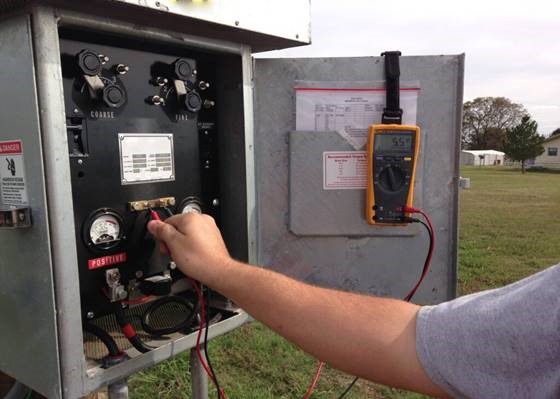
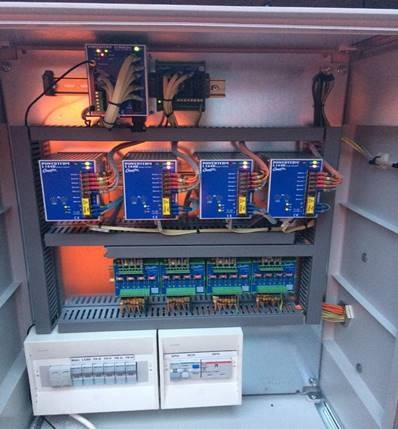
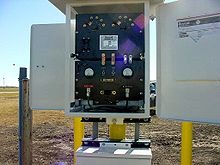
Our crew has a lot of expertise installing, troubleshooting, and repairing many types of cathodic protection systems. Deep well anodes and traditional ground beds are among them, as are tank systems, AC/DC mitigation, and galvanic anode installation, All type of test lead point, Pipeline, vessels and Reference electrode etc. Whatever the requirement, we have the knowledge and training to meet it. We specialise in both urban and rural locations. Our superintendents and installers have extensive field expertise in the electrical, civil, and general construction trades, as well as licenced contractor and pipeline operator backgrounds. For the oil and gas industry, we offer well-trained engineers and manpower.
COATING INTEGRITY SURVEYS
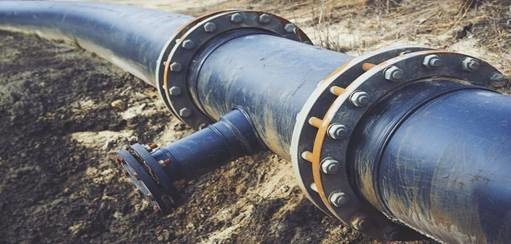
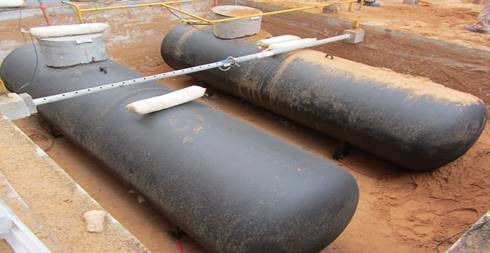
Coating integrity can be assessed with a variety of surveys. DCVG (Direct Current Voltage Gradient), ACVG (Alternate Current Voltage Gradient), CAT (Current Attenuation test) & CIPS (Closed interval potential survey).
CIPS survey:
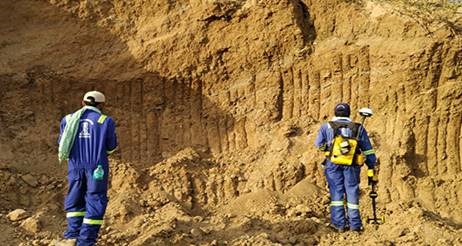
Closed interval potential survey is a series of structure-to-electrolyte direct current (DC) potential measurements performed at regular intervals to evaluate the level of polarization on buried or submerged structures such as steel pipelines.
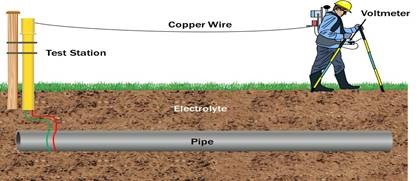
A series of structure-to-electrolyte potentials determine if adequate cathodic protection is achieved at all points along the structure. In a close interval survey (CIS), the structure-to-electrolyte potential data are collected at close spacing (1meter). This is usually done by carrying a voltmeter or datalogger.
DCVG Servey:
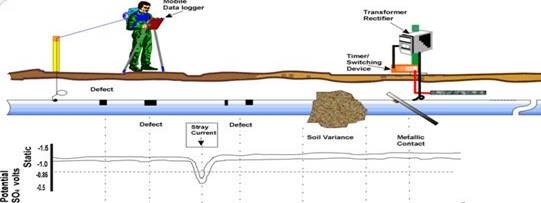
DCVG is a method for detecting cathodic protection current pickup at coating holidays. A direct current voltage gradient (DCVG) survey is a type of survey method that is used to assess the efficacy of corrosion protection, particularly on structures buried underground. A DCVG survey is considered the most reliable method to measure and trace coating defects in pipelines. It is based on quantifying voltage gradients present in the soil over pipelines that are under cathodic protection.
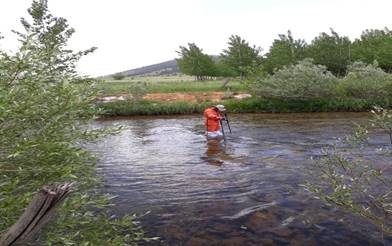
This technique is accomplished by installing a current interrupter in an existing rectifier unit or by using a temporary CP system. The interrupter is installed in series in either leg of the DC output of the rectifier or by installing it in the AC circuit. The interrupter is set to cycle at a very fast rate with the ON period less than the OFF period, such as a 1/3 second ON and 2/3 second OFF. This short cycle allows for a quick deflection measurement by the analog voltmeter.
ACVG Servey:
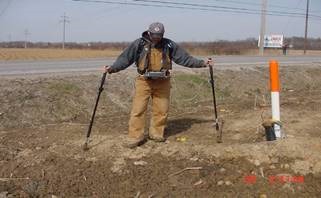
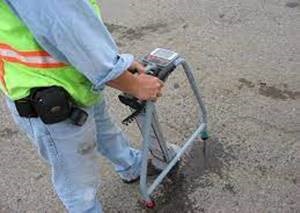
An ACVG survey is a very accurate and precise technique for identifying cable breaks, holidays and even the position of anodes. It can be used as a macro and micro tool to pinpoint large to very small holidays in a pipeline section. It will give readout in dBmV which is used in conjunction with the other surveys to allow the operator to determine the severity class of minor, moderate or severe. It is generally quicker than a DCVG survey.
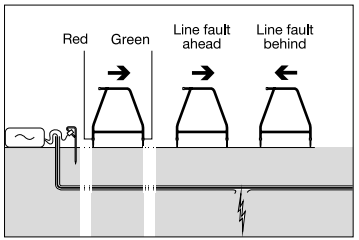
An Alternating Current Voltage Gradient, (ACVG), survey measures the leakage current in the vicinity of the pipeline to assess the coating condition, and pinpoint coating defects. An advantage of this survey method is that it can be done on a route parallel to the pipe.
CAT Servey:
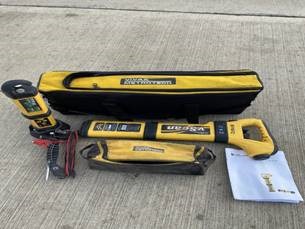
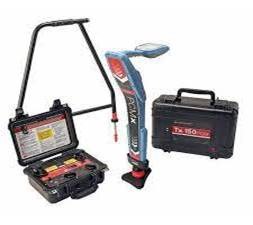
Current Attenuation Survey establish the condition of the pipeline coating, locate faults, or find shorts caused by contact with other metal objects.
Current Attenuation can be performed with various electromagnetic tools including the Pipeline Current Mapper and Precision Pipe Locator for AC attenuation and the Stray Current Mapper for DC attenuation. The pipe is located and the depth of cover is determined while simultaneously obtaining current measurement and current direction. All the data is captured and stored into a portable submeter GPS instrument for later download into a computer for data compilation and interpretation.
INTERFERENCE SURVEYS AND MITIGATION MEASURES
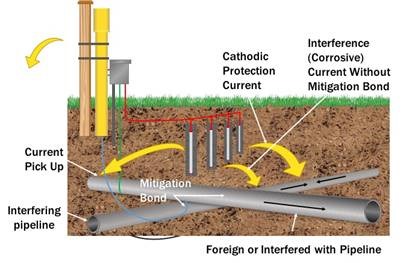
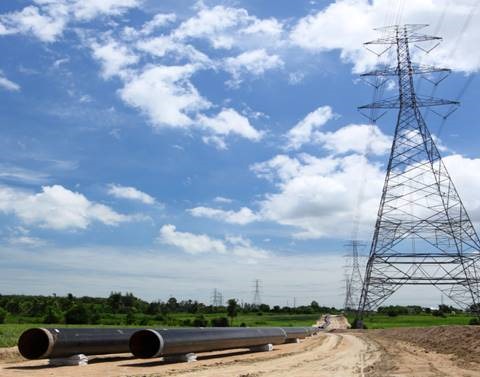
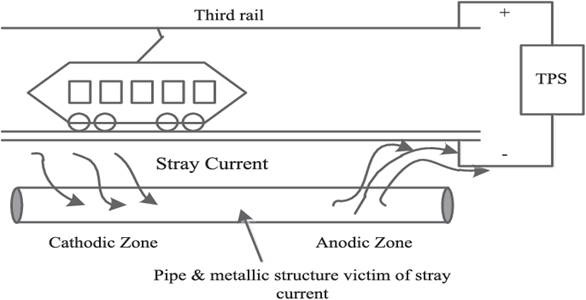
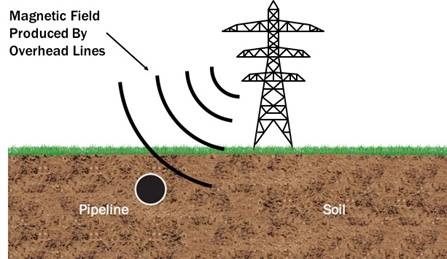
The close proximity of structures to AC power lines and their sharing parallel paths for relatively long distances is the principal cause of stray AC. If the structure is remote from the power line(s), the interference can be virtually eliminated. Obviously, this method of mitigation is practical only at the preconstruction stage of either the power line(s) or the structure. Otherwise, the mitigation must be accomplished by alternative methods.
AC mitigation methods include. Significant separation between pipe and HVAC system, Ground pipe using distributed galvanic anodes. Grounding pipe using a metal such as zinc, magnesium, steel, or copper. DC decouplers such as a capacitor, polarization cells, or polarization cell replacements (PCR) connected between pipe and a separate “grounding” structure will reduce the CP requirements when a more noble ground is tied directly to the structure. A DC decoupler allows AC current to pass but blocks DC current. Protective devices for electrical isolating devices such as flange kits or joints. Step -and-touch protection systems (gradient mats or grids).