PRODUCTS
For the design, installation, maintenance, and survey of cathodic protection systems, we have highly skilled and experienced technical personnel. We give the greatest service to our clients by providing high-quality products and services that use current technology, draw on technical expertise, and are delivered on time and at a reasonable cost.
Our constant search for new techniques and technologies stems from our understanding that corrosion prevention is an important aspect of integrity management since it improves the dependability and safety of your operations, lowers costs, and gives you a competitive advantage in a fast-paced business. Our Products include:
· Transformer Rectifier Units (Manual, Automatic Oil/Air Cooled).
· Anodes ICCP & SA (Galvanic), Mixed Metal Oxide Anodes, tubular, rod, wire etc.
· Polarization Cells.
· Insulation Joints.
· Surge Arrester.
· Accessories for CP installations.
· Carbonaceous backfill.
· Anode backfilling Material.
· Junction Box – Anode, cathode, bond boxes, all type of TLP boxes.
· Cable joining Kite.
· Cathodic Protection Cables (XLPE/PVC, PVC, armoured/unarmoured etc.).
· Soil resistivity Meter.
· Cable & cable accessories.
· Pipeline flange insulation kits.
· Exothermic welding and Pin brazing.
· GPS Current Interrupters.
· Test Equipment, CIPS, CAT & DCVG, ACVG Equipment.
· Solid State Decupling Device.
· Reference Electrodes (portable & permanent).
· Pipe and Cable Locators.
· Data logger and Multi meters.
· Corrosion Coupon.
· Thermite welding powder & Mould.
TRANSFORMER RECTIFIER UNITS
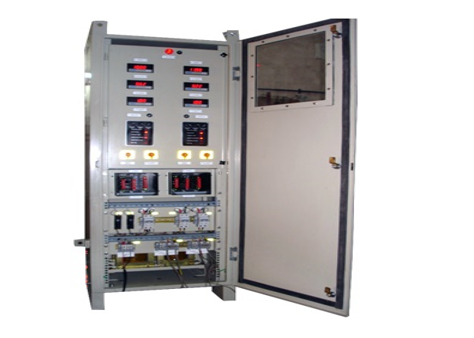
The most common type of power supply used for impressed current cathodic protection is a transformer-rectifier, commonly referred to simply as a rectifier or TRU. A rectifier steps the AC power supply voltage to the required AC output voltage and then converts it to DC. Rectifiers are normally powered by an AC power system. A rectifying circuit next converts the adjusted AC voltage to produce the DC voltage output.
ANODES:
Galvanic cathodic protection operates on the principle that a more active metal connected to a less active material forms a galvanic corrosion cell. This is used to our benefit to protect the less active metal. The more active alloy will corrode “sacrifice” itself to protect the protected metal; therefore, these anodes are often called sacrificial anodes.
DIFFERENT TYPE OF ANODES
· Magnesium Anodes:
Magnesium anodes is normally used in soils and fresh water. Magnesium anodes are available in two alloys a high-potential alloy having a nominal corrosion potential of -1.75 V referenced to a copper-copper sulfate electrode and a low- potential alloy having a nominal corrosion potential of –1.55 V referenced to a copper-copper sulfate electrode.
· Zinc Anodes:
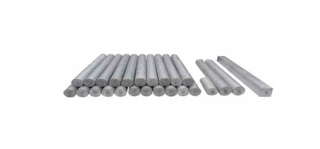
Zinc anodes are also commercially available in two alloys one for use in soils and the other for seawater applications. Zinc may undergo rapid intergranular corrosion at temperatures above 120°F (49°C). At temperatures above 130°F (54°C) and particularly in the presence of carbonates, zinc can passivate and the potential of the passive film can become more noble than steel, leading to corrosion of the steel.
· Aluminium Anodes:
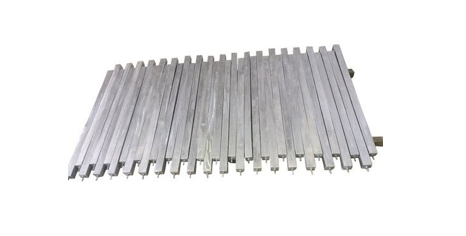
Aluminium alloy anodes are used primarily in seawater applications and are produced in a variety of alloys, of which the mercury and indium alloys. Aluminium is preferred for seawater applications because it has a much lower consumption rate than magnesium or zinc. Aluminium anodes are not used in fresh water, except as impressed current anodes. They are typically not used underground. An alloy of aluminium-zinc and indium is used as a sacrificial anode on reinforced concrete structures as well as seawater applications.
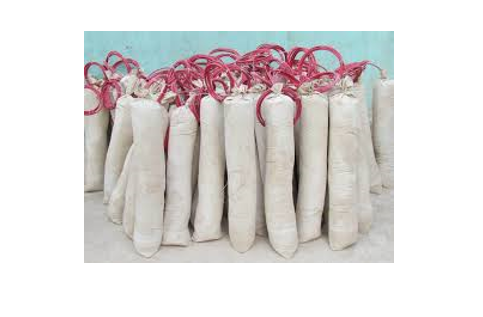
· High-Silicon Chromium-Bearing Cast Iron (HSCI):
High-silicon cast iron (HSCI) anodes are commonly used in fresh water, seawater, or underground applications. High-silicon cast iron is a chemically resistant alloy containing silicon, chromium, and iron. HSCI is very brittle and forms a SiO2 film on the surface in underground applications that can increase the resistance of the anode in dry environments.
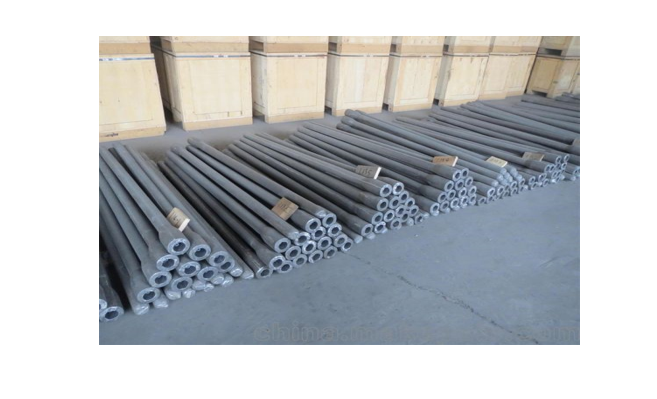
· Mixed-Metal Oxide (MMO):
Mixed-metal oxide (MMO)anodes, also called dimensionally stable anodes, consist of rare earth oxides baked onto a titanium substrate. These anodes were developed for the electrolytic production of chlorine and hypochlorite’s, but are now used for cathodic protection applications. The consumption rate is 1 mg/A-y. This anode material is typically available in rod, wire, tubular, or mesh form.
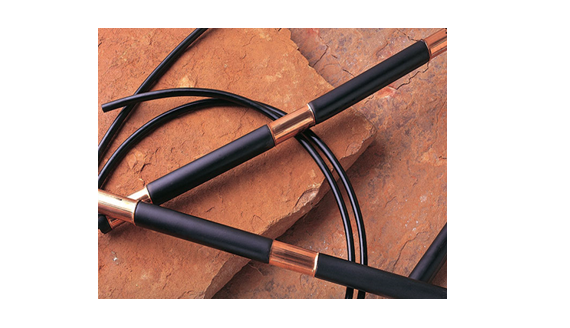
· Platinum Anodes:
Platinized anodes are most suitable in fresh-or salt-water applications rather than in underground applications. Platinum is used as an anode material when either metallurgically clad or plated onto either a titanium or niobium substrate. Titanium and niobium form stable oxide layers when made anodic. Platinized anodes are available in wire or mesh form. Platinized anodes are subject to rapid deterioration if the breakdown voltage is exceeded or if the environmental conditions surrounding the anode become acidic.
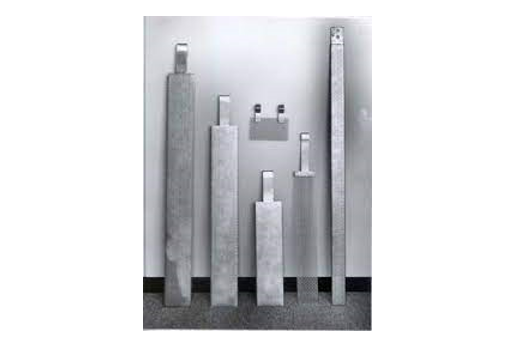
· Scrap iron Anode:
Scrap iron or steel can be used as an anode material. In situations where the current requirements are low, scrap iron is readily available, and the anode can be readily replaced, scrap iron might be an economical choice. The relatively rapid dissolution rate and difficulty in maintaining the integrity of the connection between the power supply and anode are disadvantages of this material.
· Metallized Titanium
Metallized titanium is being tested for use on reinforced concrete structures. The titanium is first sprayed to the concrete surface using an arc spray technique and then a liquid catalyst is applied to activate the anode.
· Thermal Sprayed Zinc and Aluminium Alloys Anode:
Thermal sprayed zinc and aluminium alloys have been used as impressed current anodes on reinforced concrete structures. The relatively low current requirement for this type of structure has made the use of zinc and aluminium alloys practical in these applications.
POLARIZATION CELLS
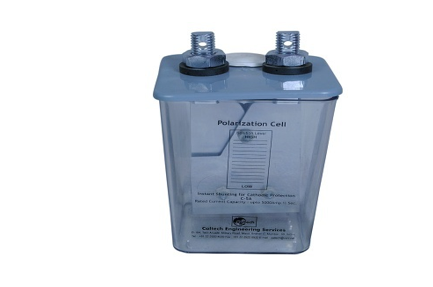
Polarization cells is the deviation from the open circuit potential of an electrode resulting from the passage of current. There are two major types of polarization. The fundamentals of electricity, chemistry, and electrochemistry form the basis for an understanding of corrosion and cathodic protection. As current flow continues over time, polarization occurs at both the anode and cathode.
INSULATION JOINTS
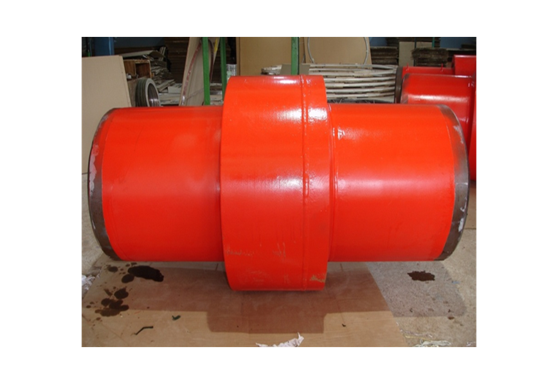
Insulation joints are used on pipelines to provide electrical isolation to prevent corrosion. They provide current spreading on cathodic protection systems. They provide electrical separation between pipeline section and adjoining neighboring structures and pinelines.
SURGE ARRESTER
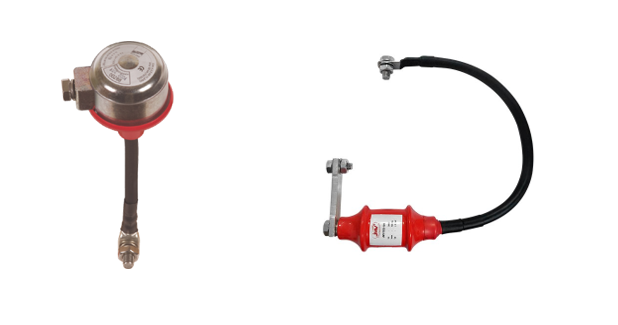
A surge arrester is a protective device for limiting voltage on equipment by discharging or bypassing surge current. It prevents continued flow to follow current to ground.
CARBONACEOUS BACKFILL
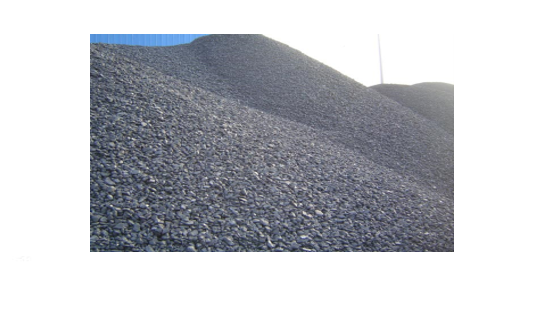
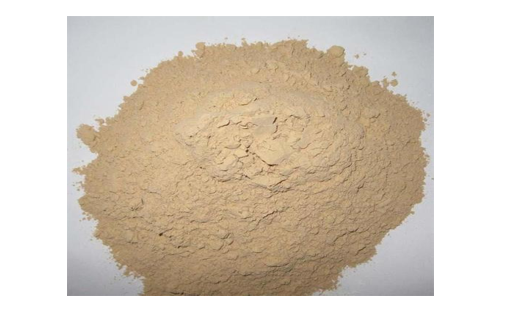
With the right coke breeze backfill, anode-to-earth resistance is decreased, since the backfill column functions as anode rather than just the anode material itself. Gas blockage and drying tendencies are decreased by the increase anodic reaction surface area. Anode life is increased by the oxidation reaction from the anode surface to the backfill surface. Also, the backfill maintains hole integrity and prevents cave-in.
ANODE BACKFILLING MATERIAL
The chemical backfill used for galvanic anodes consists of 75% gypsum (CaSO4), 20% bentonite clay, and 5% sodium sulfate. The chemical backfill surrounding magnesium and zinc anodes provides a uniform environment that reduces self-consumption of the anode.
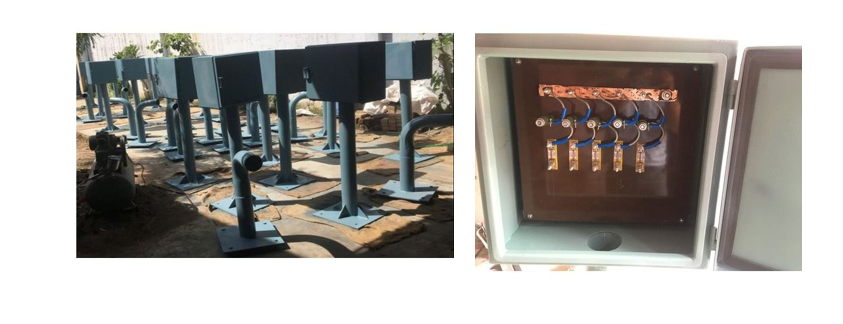
JUNCTION & TLP BOX
Junction box are designed to provide a termination Lead point anode cable, Cathode cables, structure sense cable before routing to a cathodic Protection rectifier.
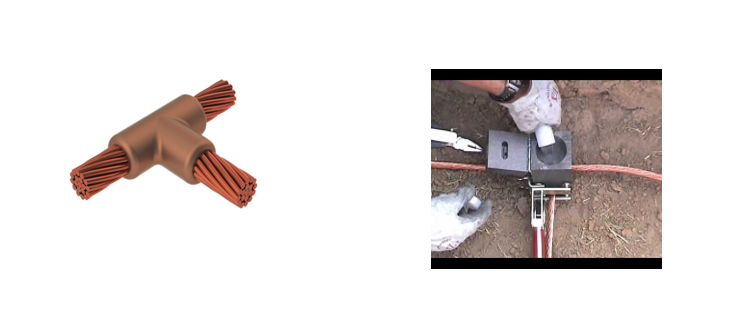
CABLE JOINING KITE
Cable jointing is suitable for universal application as branch or straight through joints in low-voltage electrical installations. They are the product of choice of energy supply companies, industry and the electrical trade for permanently connecting cables buried in the ground.
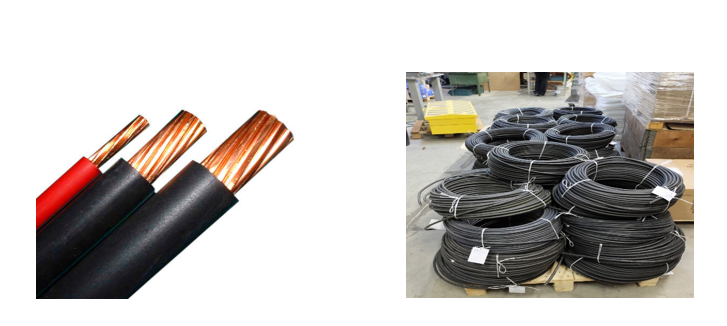
CATHODIC PROTECTION CABLES
Cathodic protection cable consists of a copper conductor insulated with a plastic compound that is highly corrosion and abrasion resistant (XLPE/PVC, PVC armoured/unarmoured etc. Armoured cables provide the protection and durability required without the need for electrical conduit, elbows, costly offsets, and conduit couplings. Unarmoured cable is protected against mechanical damage, whereas an unarmoured cable is not.
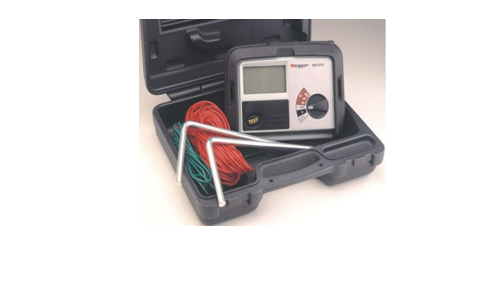
SOIL RESISTIVITY METER
Soil Resistivity meters are required for use with the soil resistivity kit to determine soil resistance values. The soil resistivity survey shall be carried out using Wenner 4-pin method. The Wenner 4 – pin method involves driving four steel pins in to the ground in a straight line. The pins are evenly spaced at an interval equal to the depth at which the average soil resistivity values are to be known.
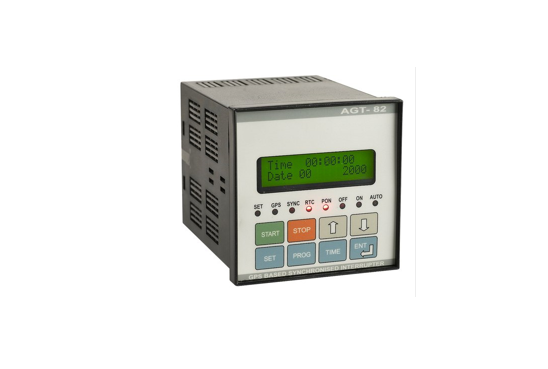
GPS CURRENT INTERRUPTERS
An interrupter is a switch that is alternately turned on and off on a regular timed cycle by some mechanical or electronic means. It is often desirable to determine the effect of a current source at various remote locations. To accomplish this, a current interrupter is inserted in the current source.
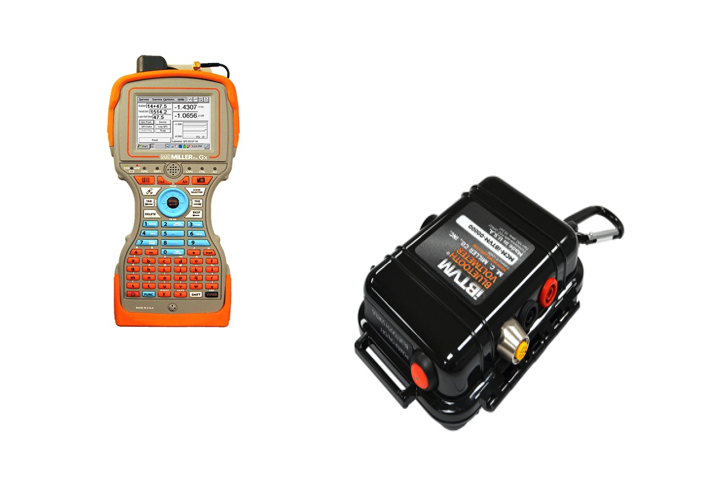
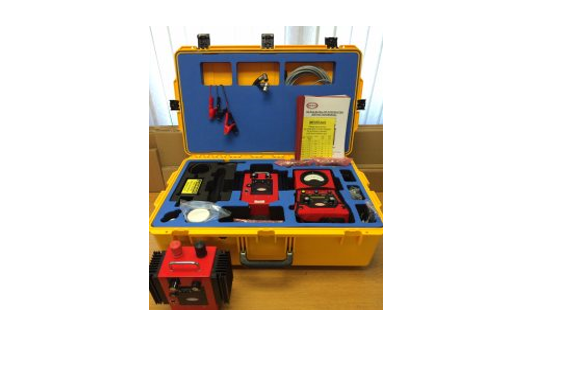
TEST EQUIPMENT
Test equipment’s CIPS, CAT & DCVG, ACVG.
CIPS Test:
CIPS -Closed interval potential survey
CAT Test:
CAT- Current Attenuation Test.
DCVG Test:
DCVG – Direct Current Voltage Gradient
ACVG Test:
ACVG- alternate Current Voltage Gradient.
SOLID STATE DECUPLING DEVICE
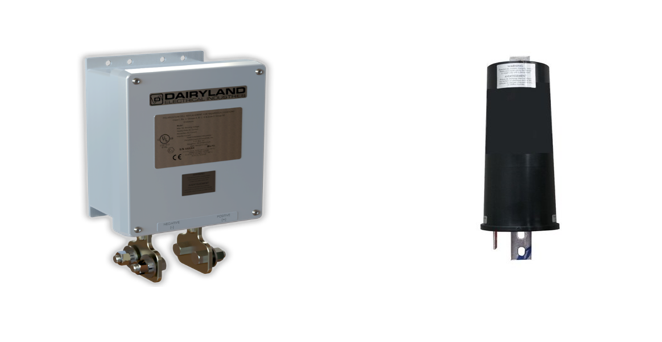
The SSD functions as a DC isolation and AC coupling device (a "decoupler"), preventing the flow of CP current up to a predetermined voltage threshold, while passing any induced AC current. For voltage that attempts to exceed the threshold, the device instantly switches to the shorted mode, providing overvoltage protection. After the event is over, the device automatically switches back to the DC blocking mode. This operation can occur an unlimited number of times, and is typically due to AC faults and lightning, which the SSD is rated for.
REFERENCE ELECTRODES
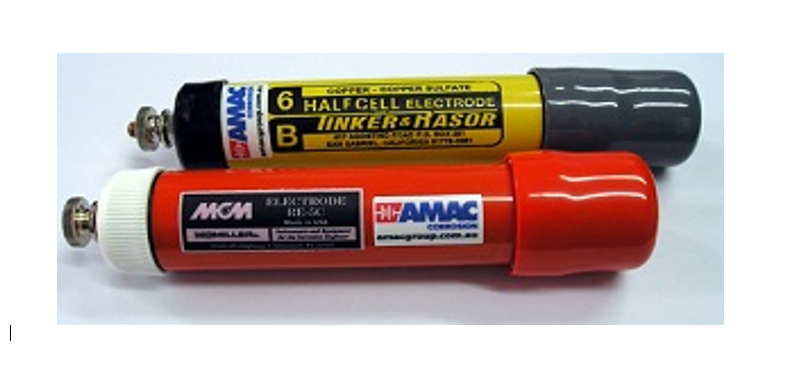
Portable Reference Electrode:
1)Silver-Silver Chloride Reference Electrode
Silver-silver chloride (Ag-AgCl) reference electrodes are used for measurements in seawater. The Ag-AgCl electrode is also used in concrete structures.
2)Calomel Reference Electrode
The saturated calomel reference electrode consists of mercury-mercurous chloride in a saturated potassium chloride solution. This is primarily a laboratory electrode.
3)Standard Hydrogen Reference Electrode (SHE)
The standard hydrogen reference electrode (SHE) is a laboratory reference electrode and is used to determine the potential of other reference electrodes that are better suited for field use.
4)Zinc Reference Electrode
Zinc is sometimes used as a reference electrode since the potential of zinc is relatively stable. Zinc is actually a pseudo-reference electrode since the potential of zinc can change as the environment changes. For underground use, the zinc electrode is packaged in a cloth bag containing the same backfill as used around zinc anodes. In water, zinc electrodes are used bare.
5)Manganese Dioxide
The manganese dioxide electrode is also used in reinforced concrete structures.
6)Graphite Electrode
Graphit is apseudo-reference electrode that is sometimes used in reinforced concrete structures
Permanent Reference Electrodes:
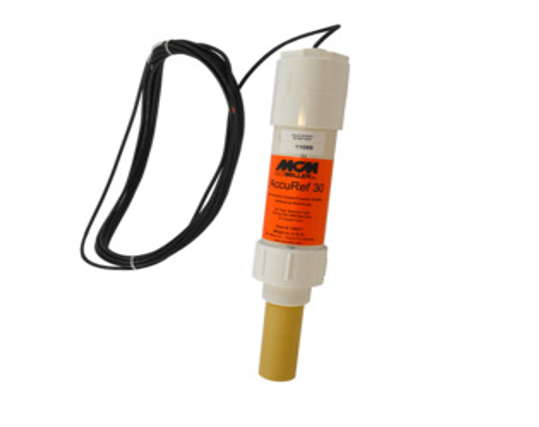
A Permanent copper-copper sulfate reference electrode is used for installation underground. These electrodes are used to reduce IR drop in potential measurements at inaccessible locations. Permanent reference electrodes containing both zinc and Ag-AgCl units are used on offshore structures.
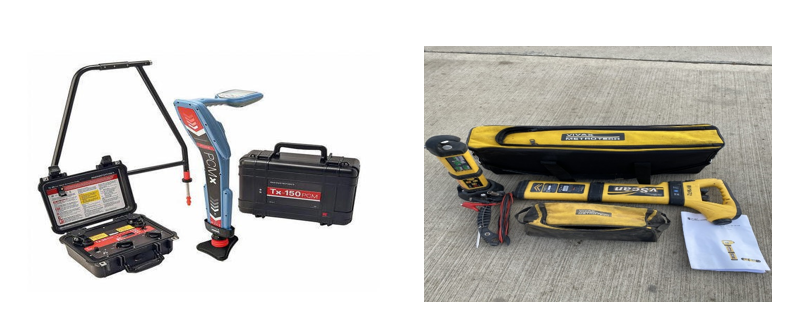
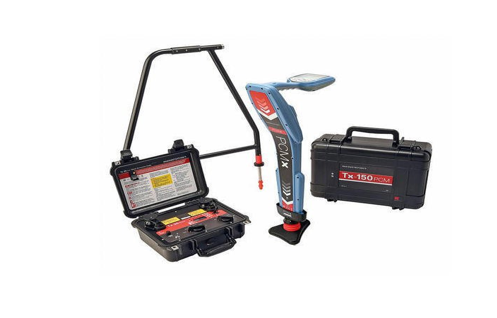
PIPE AND CABLE LOCATORS
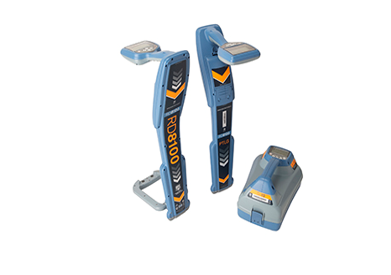
During corrosion testing, it is often necessary to accurately determine the location of such buried items as a pipeline, conduit, or storage tank. Also, it is important to determine points of electrical continuity and discontinuity. A pipe and cable locator can be a great time saver for making such determinations. Most locators include a transmitter and receiver. The transmitter is a source of radio frequency AC that is used to impress a signal on the structure.
DATA LOGGER AND MULTI METER
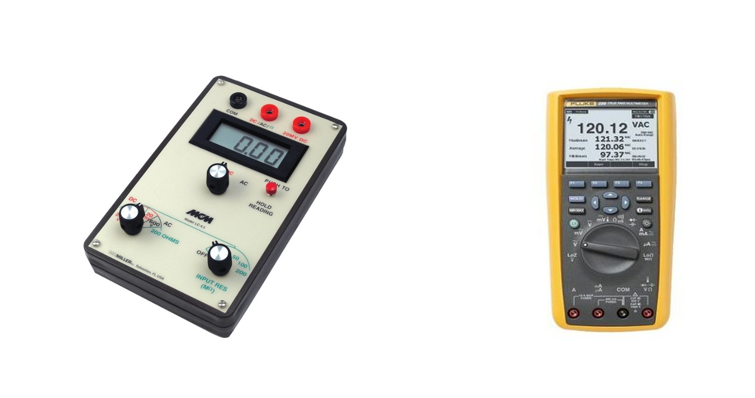
Multi meter and data logger utilised For current and voltage measurement and logging,
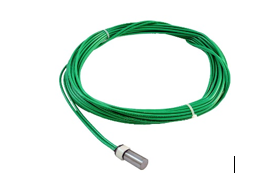
CORROSION COUPON
1) AC Corrosion Coupon:
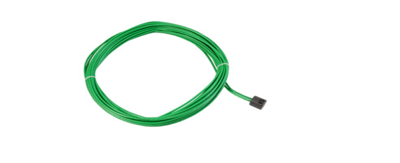
2) DC Corrosion Coupon:
THERMITE WELDING POWDER & MOULD
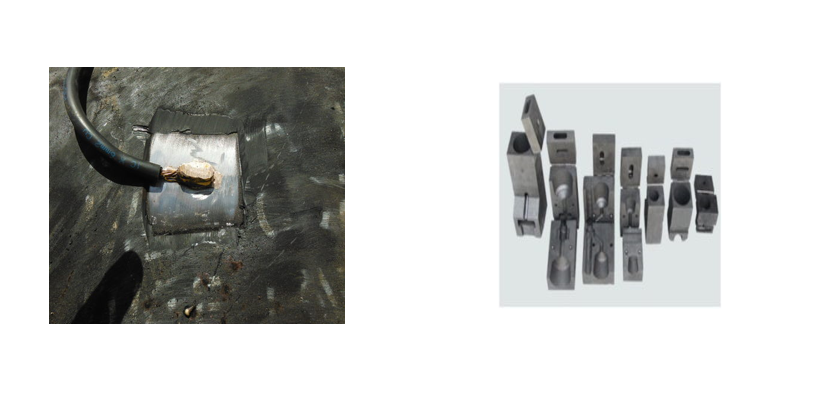
Thermite welding powder and mould have long been used to join highly thick and heavy metals. Such those used to link cable to pipe lines.